
Poster
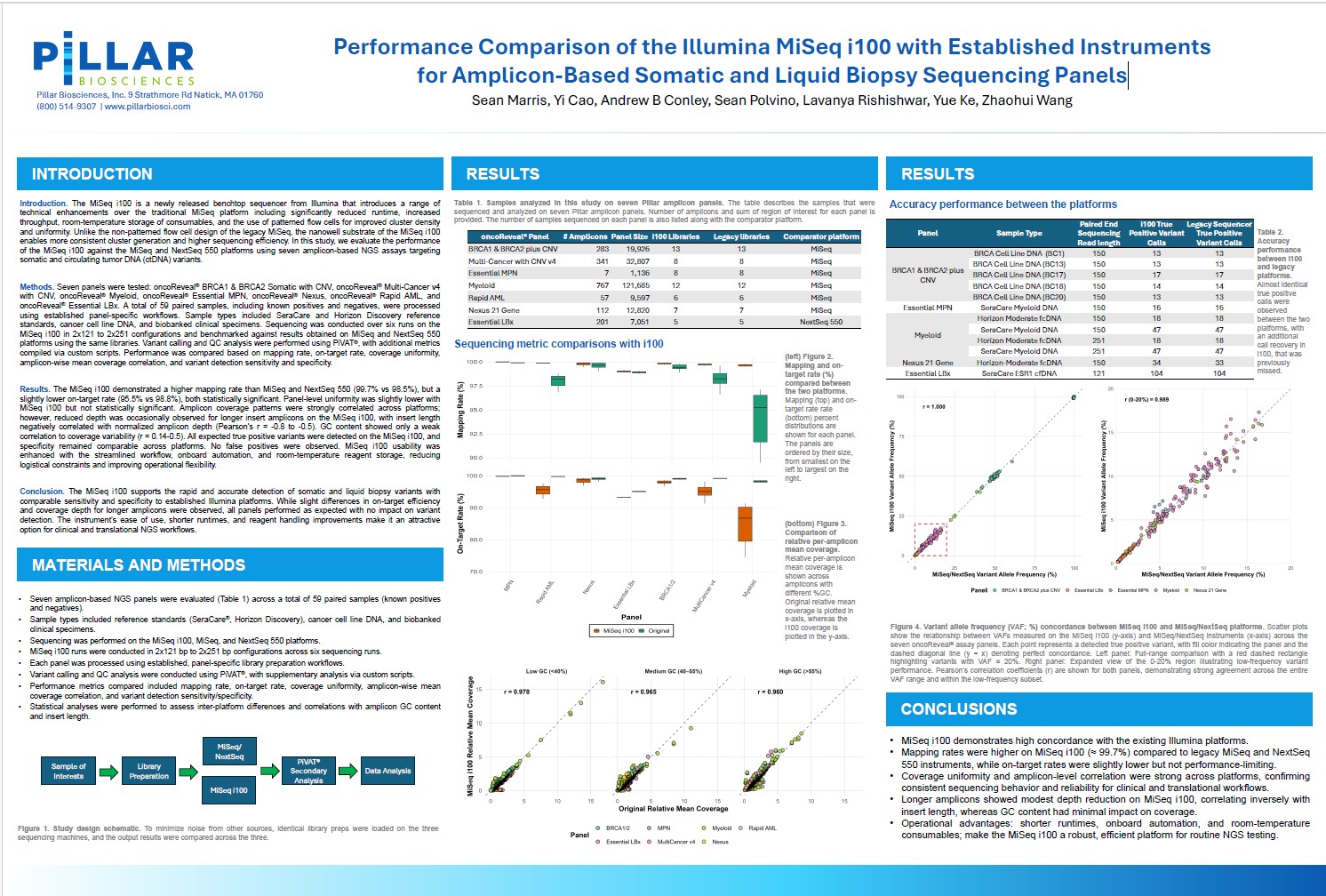
Pillar benchmarked seven oncoReveal® amplicon NGS panels — BRCA1/BRCA2 Somatic with CNV, Multi-Cancer v4 with CNV, Myeloid, Essential MPN, Nexus 21 Gene, Rapid AML, and Essential LBx — on Illumina's new MiSeq i100 against the legacy MiSeq and NextSeq 550. Fifty-nine paired samples, including SeraCare and Horizon Discovery reference standards, cancer cell line DNA, and biobanked clinical specimens, were run from identical libraries across six sequencing runs. Every expected true-positive variant was detected on the i100 with no false positives, confirming that the portfolio transfers cleanly to the new platform.
Tags: 2025, Heme
CellCarta Case Study
July 2026
July 2026
Tags: 2025, Solid Tumor
Presentation

Event Name: AMP Europe 2026
TBC
TBC
Tags: Liquid Biopsy
Publication Source: Royal College of Pathologists
TBC
TBC
Tags: 2026, NGS / General
Webinar

Publishing Entity: CAP Today Webinar
TBC
TBC
Tags: 2026, Heme, Solid Tumor
Publication Source: Pillar Biosciences White Paper
TBC
TBC
Tags: 2026, Methylation
Publication Source: GenomeWeb
TBC
TBC
Tags: 2025, Heme, Solid Tumor
Presentation

Event Name: AMP 2025
TBC
TBC
Tags: 2025, Heme, Solid Tumor
Presentation

Event Name: AMP 2025
TBC
TBC
Tags: 2025, Heme
Presentation

Event Name: AMP 2025
TBC
TBC
Tags: 2025, Liquid Biopsy
Webinar

Publishing Entity: GenomeWeb | Precision Medicine Online
TBC
TBC
Tags: 2025, Liquid Biopsy
Webinar

Publishing Entity: Dark Daily
TBC
TBC
Tags: 2025, Heme, Solid Tumor
Publication Source: CAP TODAY
TBC
TBC
Tags: Heme, Solid Tumor
Publication Source: The Journal of Molecular Diagnostics
TBC
TBC
Tags: 2025, BRCA, HRD, Methylation
Poster
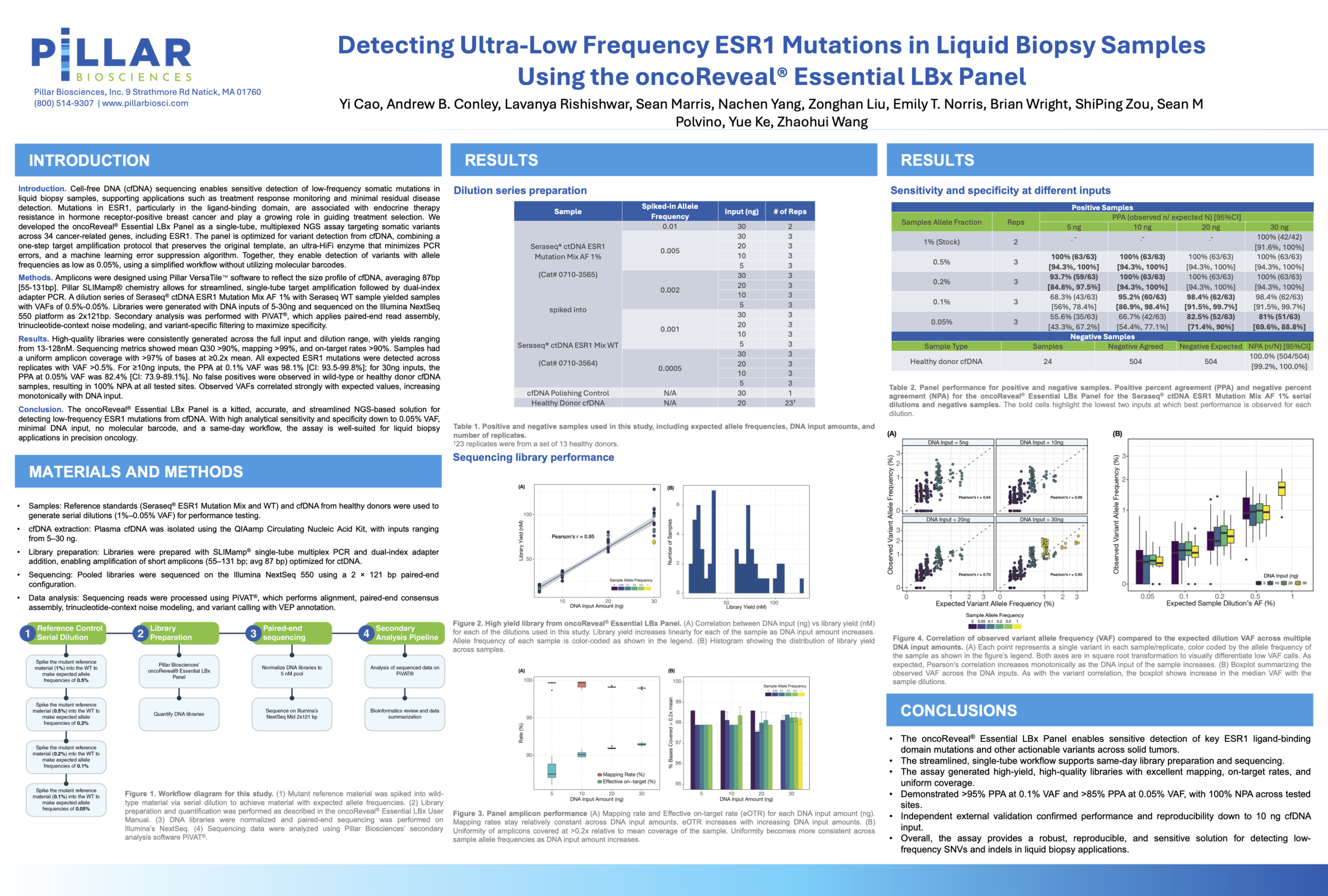
The oncoReveal® Essential LBx Panel is a single-tube, 34-gene amplicon-based NGS liquid biopsy assay built on SLIMamp® chemistry. Pillar tested it on Seraseq® ctDNA ESR1 reference standards diluted to 0.05% variant allele frequency (VAF) from 5–30 ng of plasma cell-free DNA (cfDNA), sequenced on the Illumina NextSeq 550 and analyzed with PiVAT® software. It detected these endocrine-therapy-resistance mutations in HR-positive breast cancer with 98.4% PPA at 0.1% VAF and 100% NPA — no molecular barcodes (UMIs) required.
Tags: 2026, Heme, Liquid Biopsy, Solid Tumor
Poster
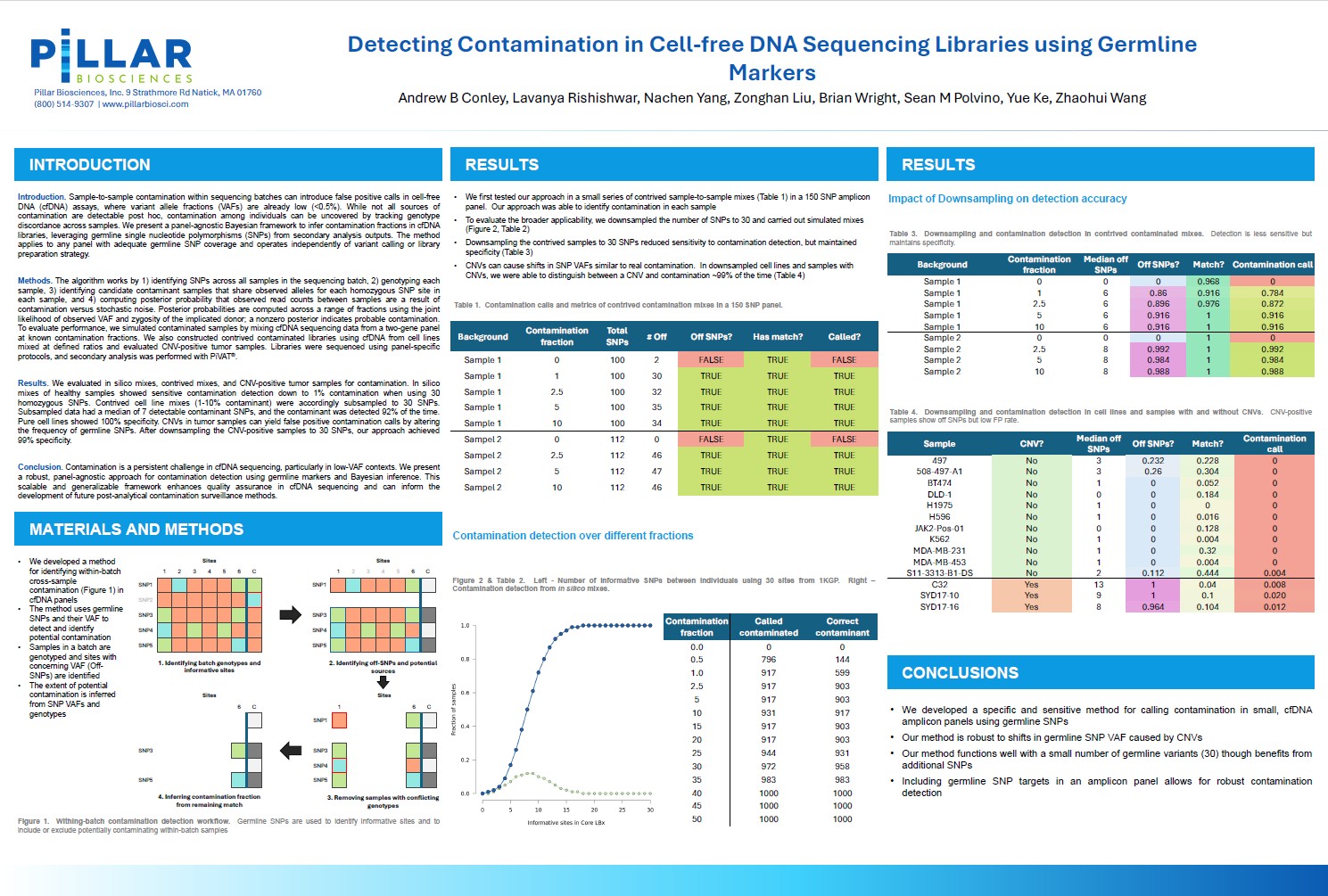
Pillar developed a panel-agnostic Bayesian method to detect sample-to-sample contamination within cell-free DNA (cfDNA) sequencing batches, where variant allele fractions below 0.5% make false positive calls especially costly. The algorithm genotypes germline single nucleotide polymorphisms (SNPs) across a batch, flags sites with discordant allele fractions, and computes the posterior probability that observed read counts reflect contamination rather than stochastic noise. Across in silico mixes, contrived cell line mixes, and CNV-positive tumor samples it detected contamination down to 1% using 30 homozygous SNPs while holding 99–100% specificity.
Tags: 2025, Liquid Biopsy
Poster
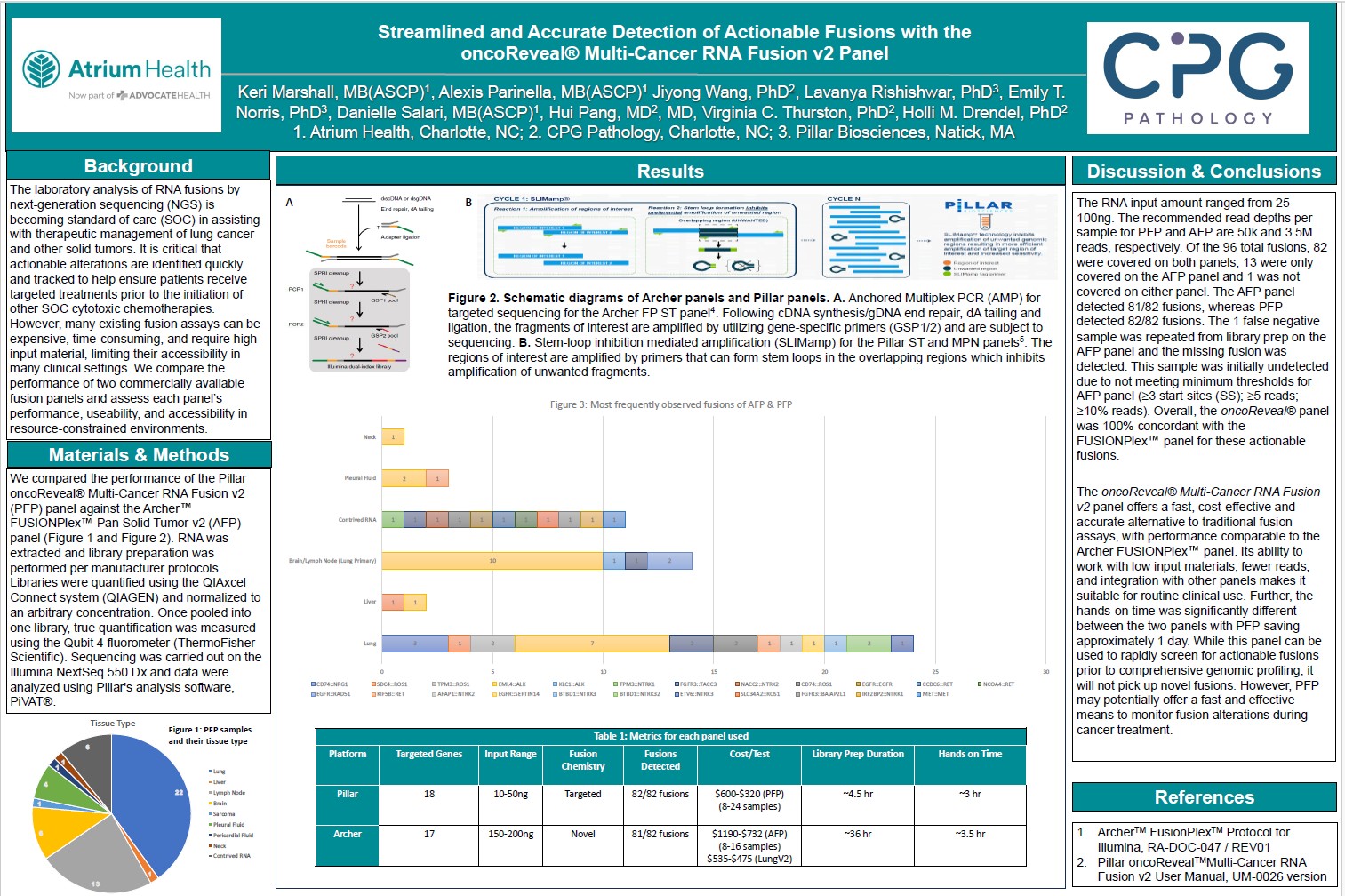
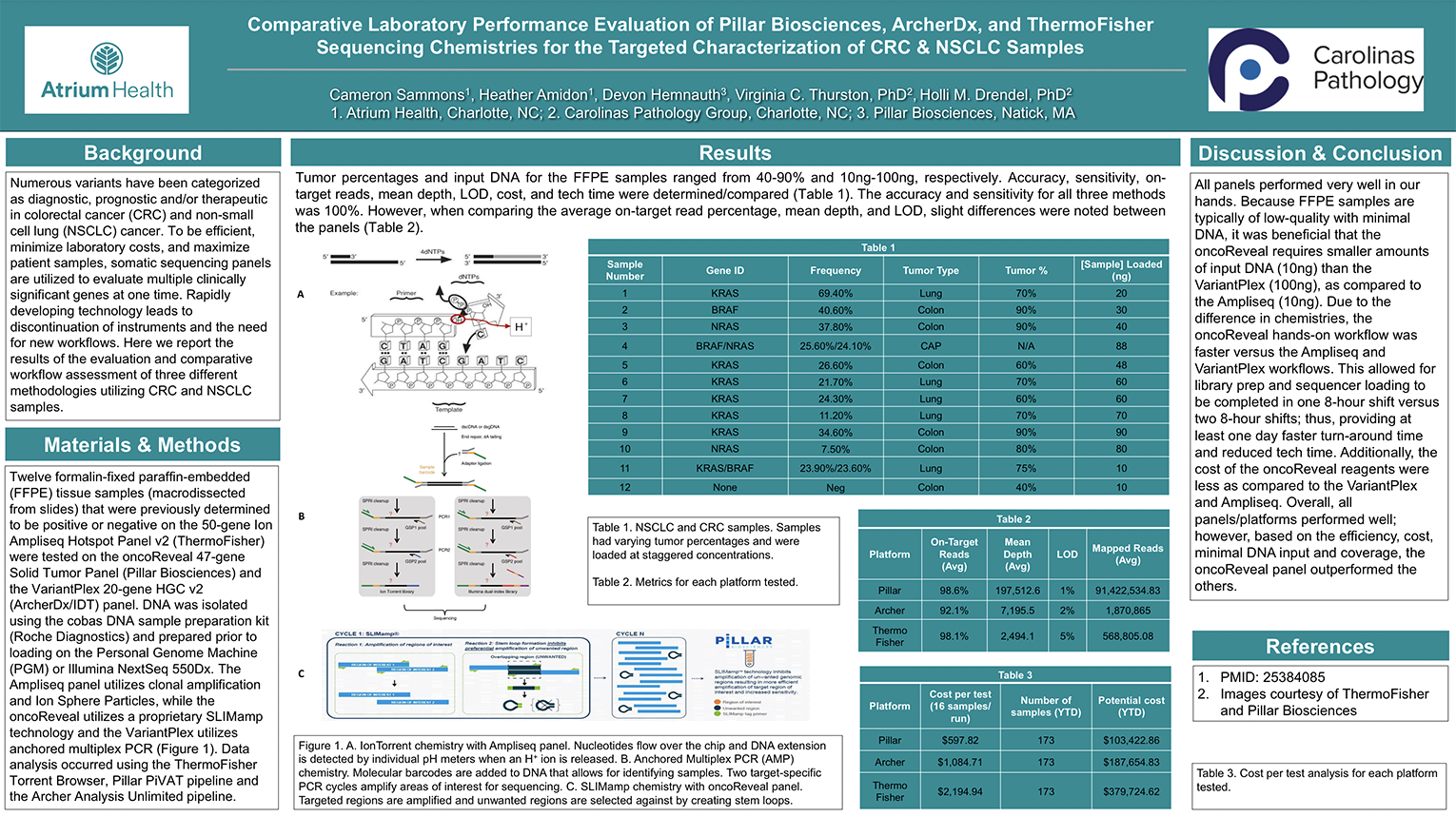
Atrium Health and CPG Pathology compared Pillar's oncoReveal® Multi-Cancer RNA Fusion v2 panel against Archer's FUSIONPlex Pan Solid Tumor v2 for detecting actionable gene fusions in lung and other solid tumors. RNA from 96 fusion-positive specimens — lung, liver, lymph node, brain, sarcoma, pleural and pericardial fluid — was prepared per protocol and sequenced on the Illumina NextSeq 550 Dx with PiVAT® analysis. Pillar detected 82 of 82 covered fusions, fully concordant with Archer, at roughly half the cost per test and with library preparation in 4.5 hours rather than 36.
Tags: 2025, Solid Tumor
Poster
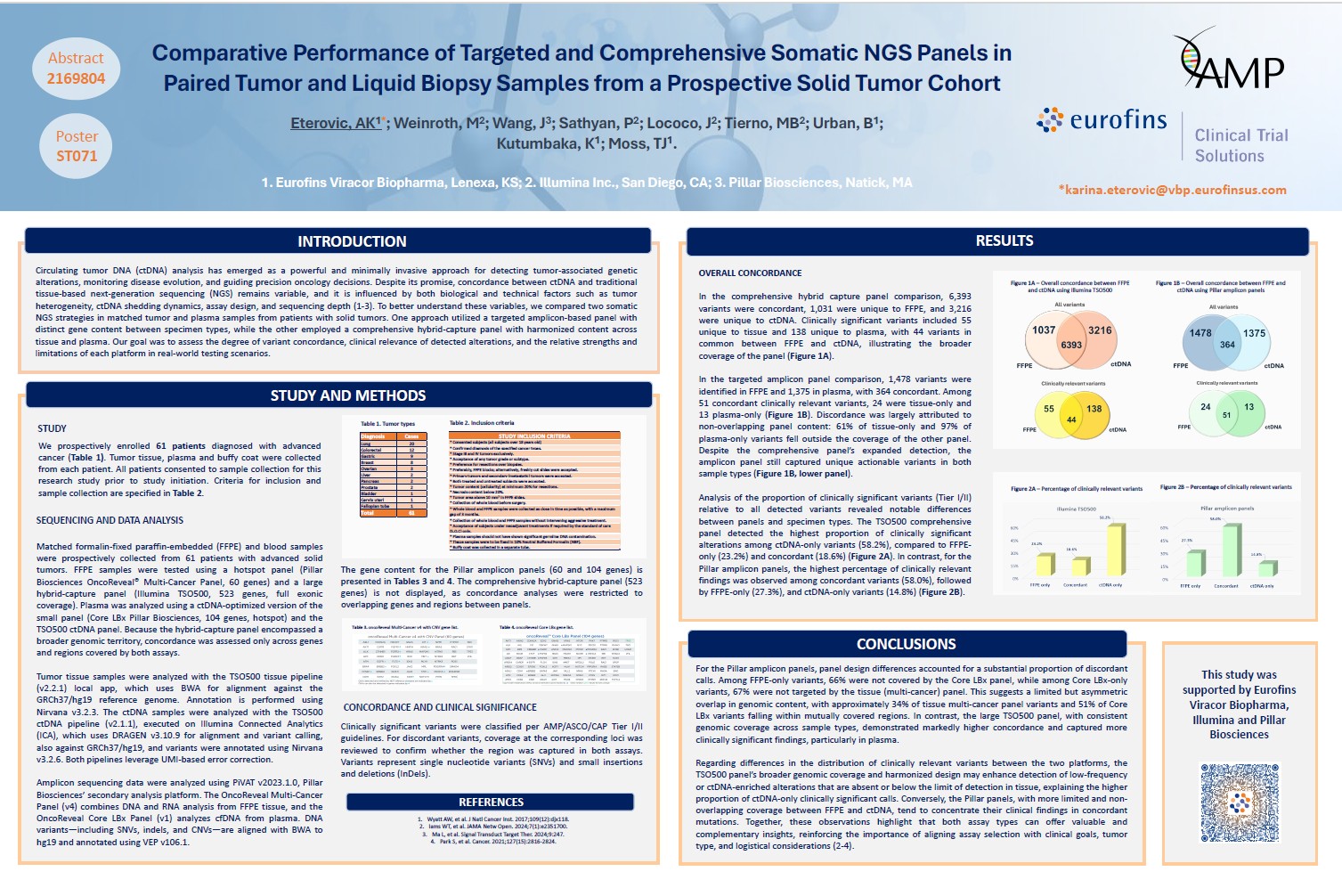
Eurofins Viracor Biopharma, with Illumina and Pillar, prospectively enrolled 61 patients with advanced solid tumors and tested matched FFPE tissue and plasma using Pillar's amplicon panels (oncoReveal® Multi-Cancer, 60 genes, tissue; Core LBx, 104 genes, ctDNA) alongside Illumina's TSO500 hybrid-capture panels (523 genes). The comprehensive panel showed higher tissue–plasma concordance, largely because its gene content is harmonized across specimen types while the Pillar tissue and liquid biopsy panels target different gene sets. Even so, 58.0% of Pillar's concordant calls were clinically significant Tier I/II variants — the highest such proportion in the study.
Tags: 2025, Heme, Liquid Biopsy, Solid Tumor
Poster
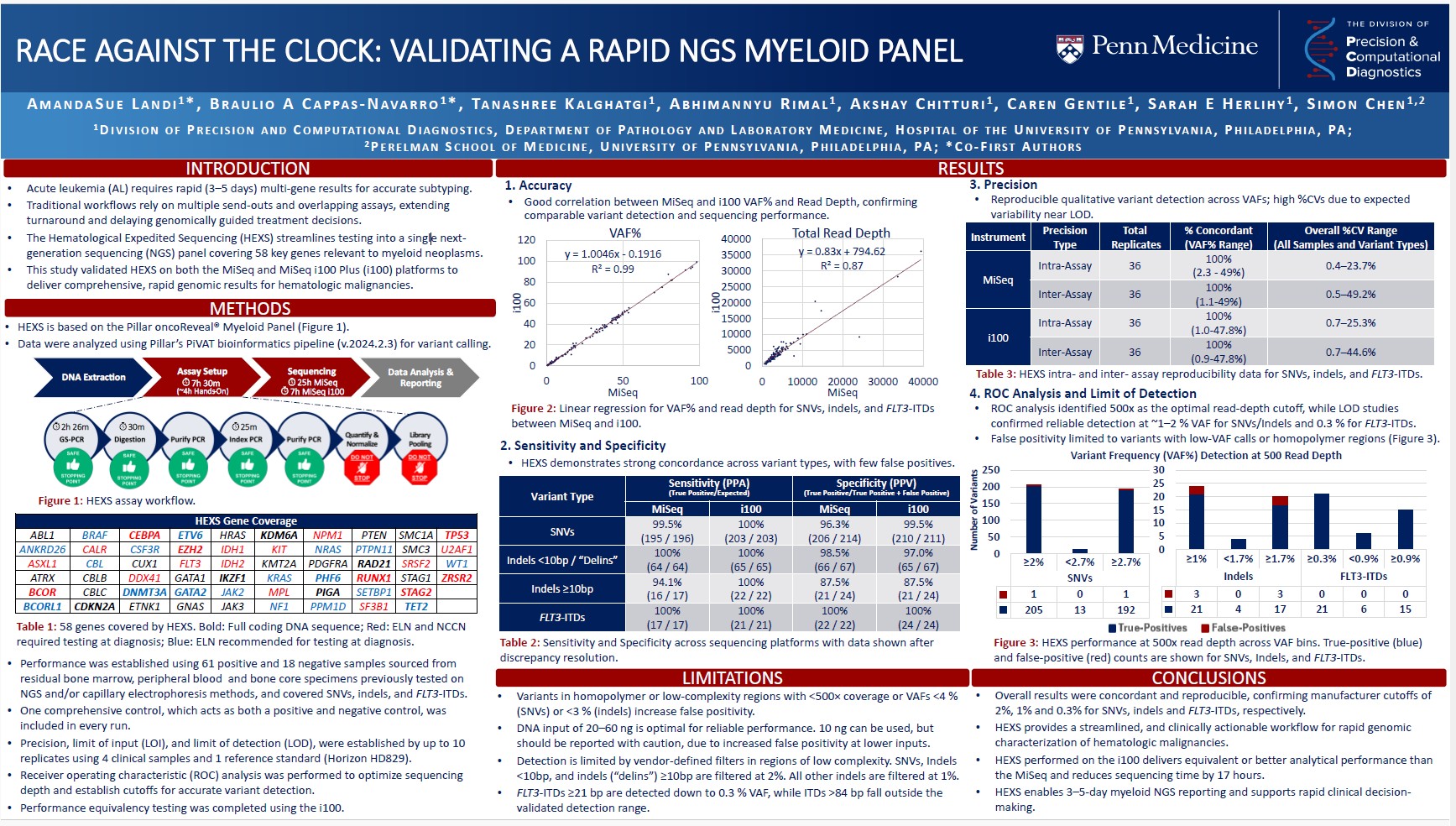
The Hospital of the University of Pennsylvania built its Hematological Expedited Sequencing (HEXS) assay on Pillar's oncoReveal® Myeloid Panel, consolidating 58 myeloid neoplasm genes into a single NGS test to replace multiple send-outs for acute leukemia subtyping. Validation used 61 positive and 18 negative bone marrow, peripheral blood, and bone core specimens covering SNVs, indels, and FLT3 internal tandem duplications, on both the MiSeq and MiSeq i100 with PiVAT® variant calling. HEXS reached 99.5–100% sensitivity across variant types and enables 3–5 day myeloid NGS reporting, with the i100 cutting sequencing time by 17 hours.
Tags: 2025, Heme
Poster
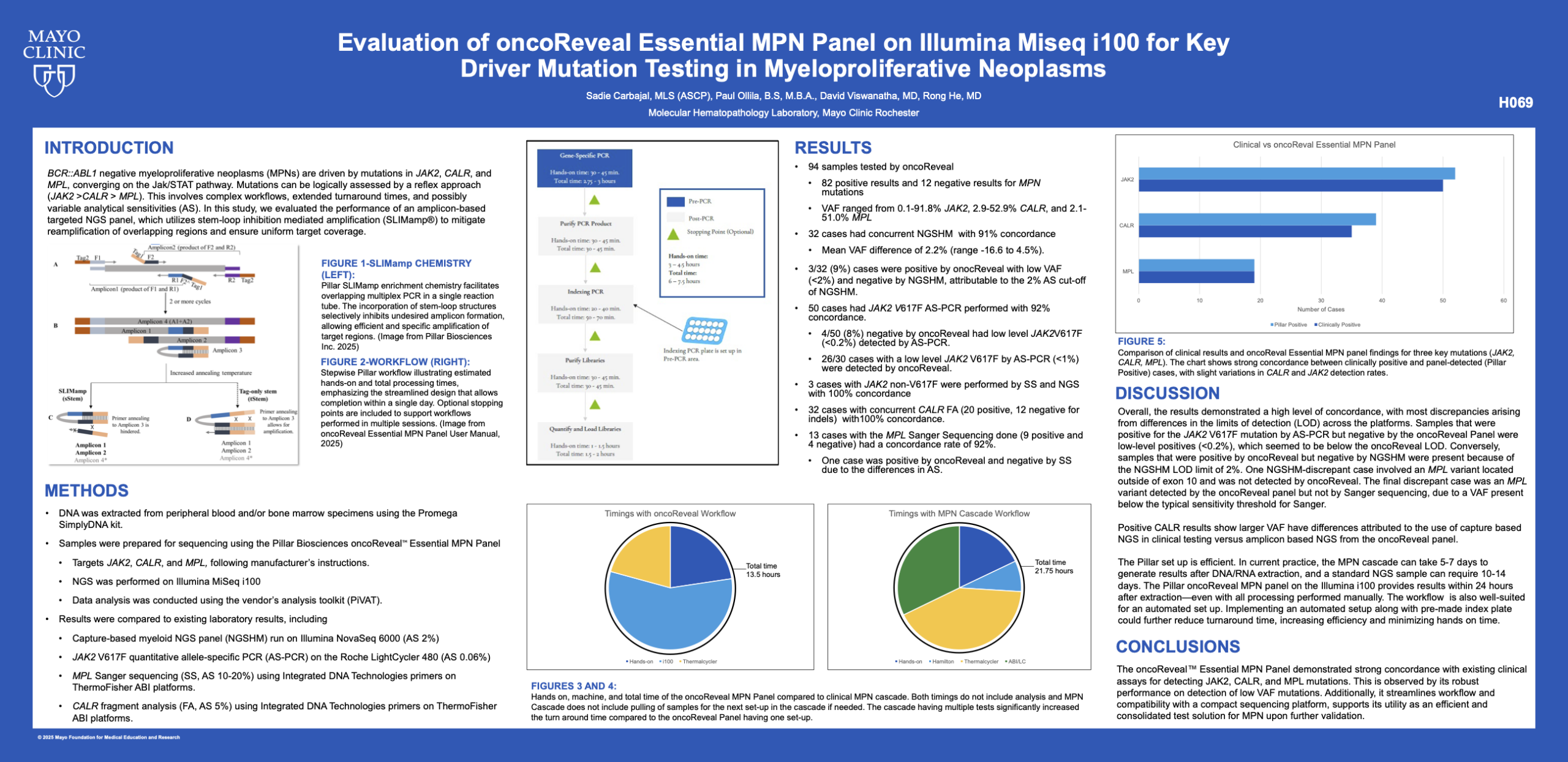
Mayo Clinic's Molecular Hematopathology Laboratory evaluated Pillar's oncoReveal® Essential MPN Panel — a single-tube SLIMamp® amplicon NGS assay targeting JAK2, CALR, and MPL — on the Illumina MiSeq i100 for BCR::ABL1-negative myeloproliferative neoplasm (MPN) testing. Ninety-four peripheral blood and bone marrow specimens were compared against the laboratory's capture-based myeloid NGS panel, JAK2 V617F allele-specific PCR, CALR fragment analysis, and MPL Sanger sequencing. The panel showed 91–100% concordance across comparators and returned results within 24 hours of extraction, against 5–7 days for the conventional reflex cascade.
Tags: 2025, Heme
Poster
Tags: 2025, Liquid Biopsy, Solid Tumor
Webinar
Publishing Entity: GenomeWeb | Precision Medicine Online
TBC
TBC
Tags: 2024, Heme, Solid Tumor
Presentation

Event Name: AMP 2024
TBC
TBC
Tags: 2024, BRCA, HRD, Methylation
Presentation
Event Name: AMP 2024
TBC
TBC
Tags: 2024, IVD, Solid Tumor
Event Name: AMP 2024
TBC
TBC
Tags: 2024, Heme, Solid Tumor
Webinar

Publishing Entity: GenomeWeb | Precision Medicine Online
TBC
TBC
Tags: 2024, Liquid Biopsy
Webinar

Publishing Entity: GenomeWeb | Precision Medicine Online
TBC
TBC
Tags: 2024, Heme
Publication Source: CAP TODAY
TBC
TBC
Tags: 2024, Solid Tumor
Poster
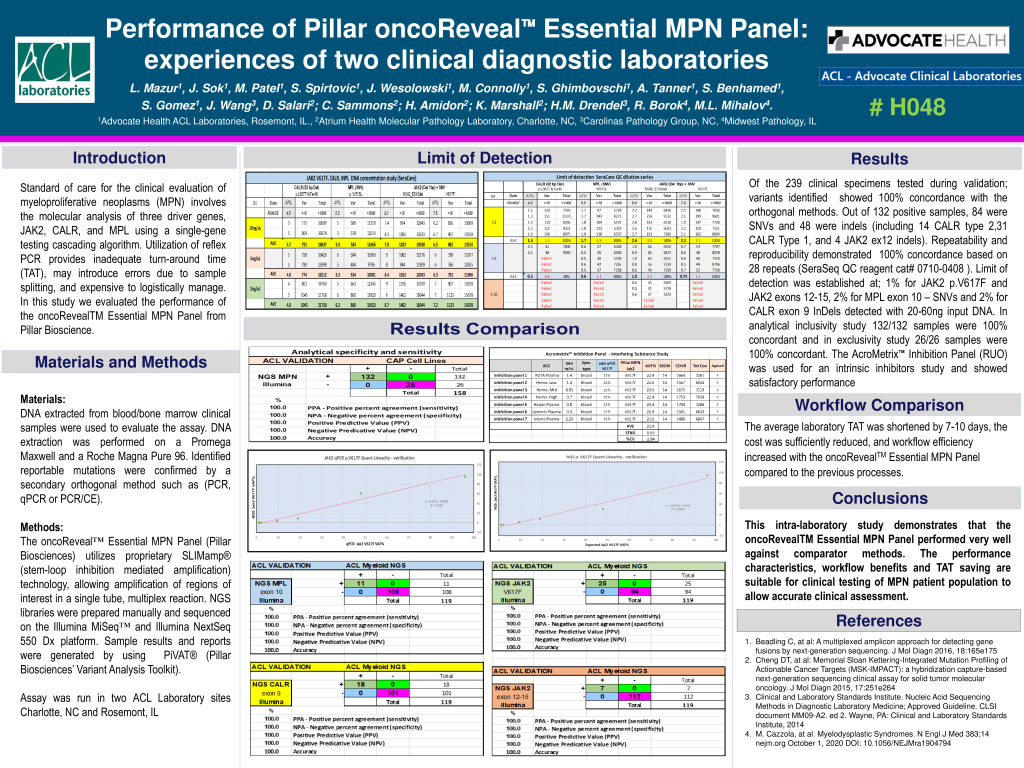
Advocate Health ACL Laboratories and Atrium Health Molecular Pathology jointly validated Pillar's oncoReveal® Essential MPN Panel across two laboratory sites, replacing the single-gene cascading algorithm conventionally used to test JAK2, CALR and MPL in myeloproliferative neoplasms — a workflow that lengthens turnaround, risks errors from sample splitting, and is expensive to manage. Two hundred thirty-nine clinical blood and bone marrow specimens were sequenced on Illumina MiSeq and NextSeq 550 Dx with PiVAT® reporting, and every identified variant was confirmed by an orthogonal PCR, qPCR or PCR/CE method. Concordance was 100%, repeatability and reproducibility were 100%, and average turnaround shortened by 7–10 days.
Tags: 2024, Heme
Poster
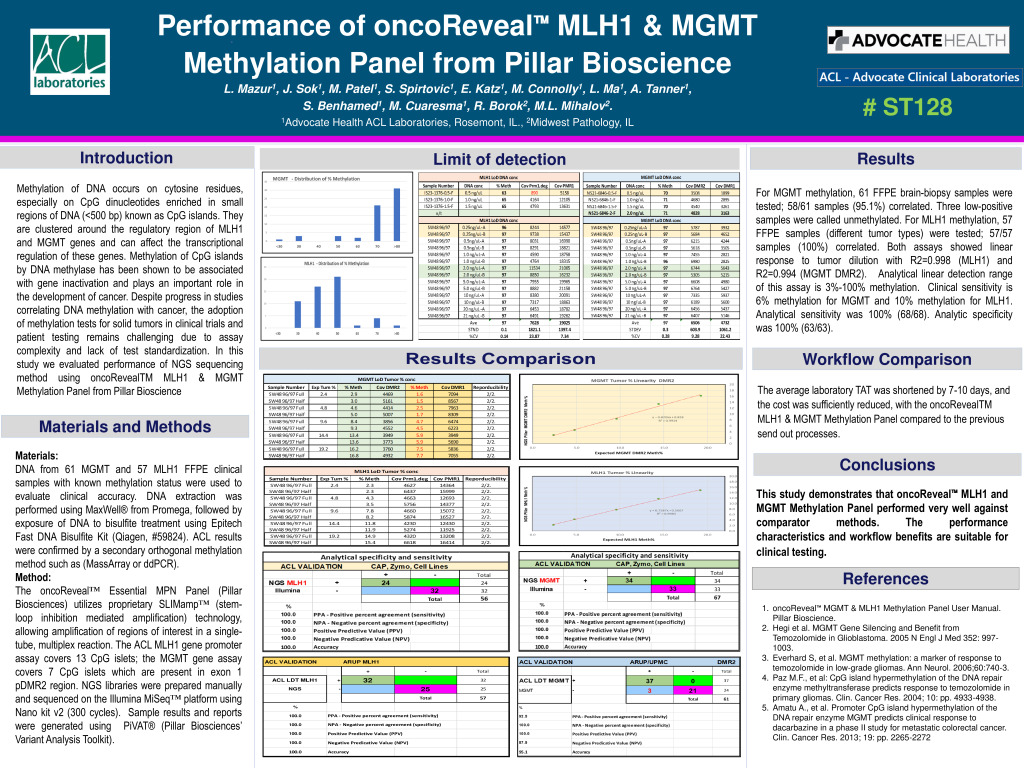
Advocate Health ACL Laboratories evaluated Pillar's oncoReveal® MLH1 & MGMT Methylation Panel, a bisulfite-based NGS assay using SLIMamp® chemistry to quantify promoter CpG island methylation — the gene-silencing marker that predicts temozolomide response in glioma and supports Lynch syndrome workup. DNA from 61 MGMT and 57 MLH1 FFPE clinical samples of known methylation status was bisulfite converted, sequenced on the Illumina MiSeq, analyzed with PiVAT®, and confirmed by orthogonal MassArray or ddPCR. MLH1 correlated 100% and MGMT 95.1%, with laboratory turnaround shortened by 7–10 days versus the prior send-out process.
Tags: 2024, Heme, Methylation
Poster
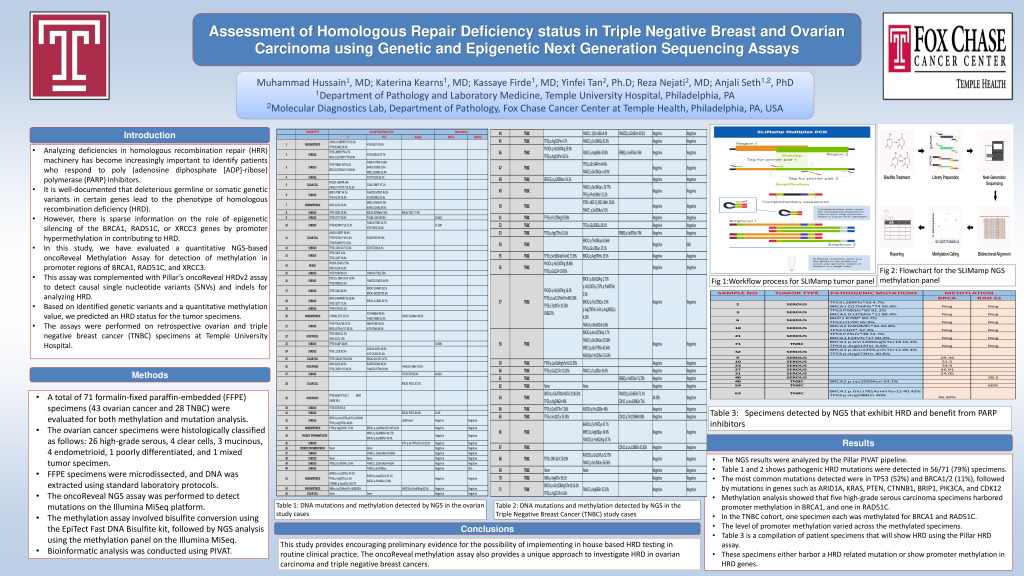
Temple University Hospital and Fox Chase Cancer Center paired Pillar's oncoReveal® HRDv2 mutation panel with a quantitative oncoReveal® methylation assay to assess homologous recombination deficiency (HRD) — the phenotype predicting PARP inhibitor response — in retrospective ovarian and triple negative breast cancer (TNBC) specimens. Seventy-one FFPE samples (43 ovarian, 28 TNBC) were microdissected and tested for both pathogenic variants and BRCA1, RAD51C, and XRCC3 promoter hypermethylation on the Illumina MiSeq with PiVAT® analysis. Pathogenic HRD mutations appeared in 56 of 71 specimens (79%), and methylation flagged additional HRD-positive cases that mutation testing alone would have missed.
Tags: 2024, HRD, Methylation
Poster
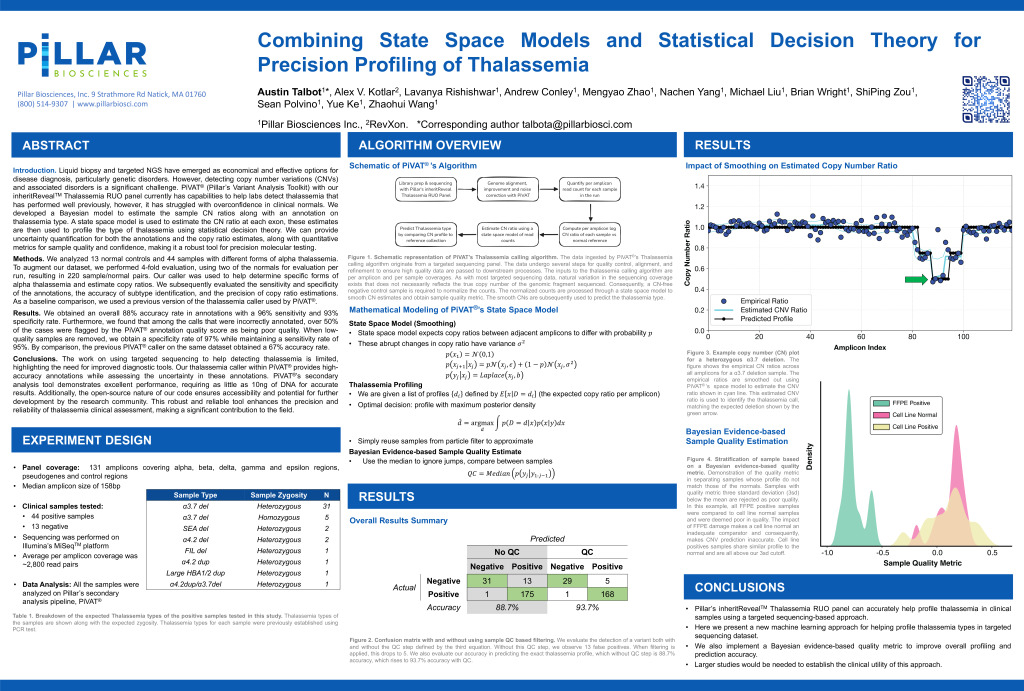
Pillar developed a Bayesian caller inside PiVAT® that pairs a state space model for copy number estimation with statistical decision theory to identify alpha thalassemia subtypes from the inheritReveal™ Thalassemia research-use panel. Thirteen normal controls and 44 alpha thalassemia samples were expanded to 220 sample/normal pairs by four-fold evaluation and sequenced on the Illumina MiSeq at roughly 2,800 read pairs per amplicon. The new caller reached 88% annotation accuracy with 96% sensitivity and 93% specificity, rising to 93.7% accuracy once its own quality metric filtered poor samples, against 67% for the previous PiVAT® caller.
Tags: 2024, Inherited Disease, Liquid Biopsy
Poster
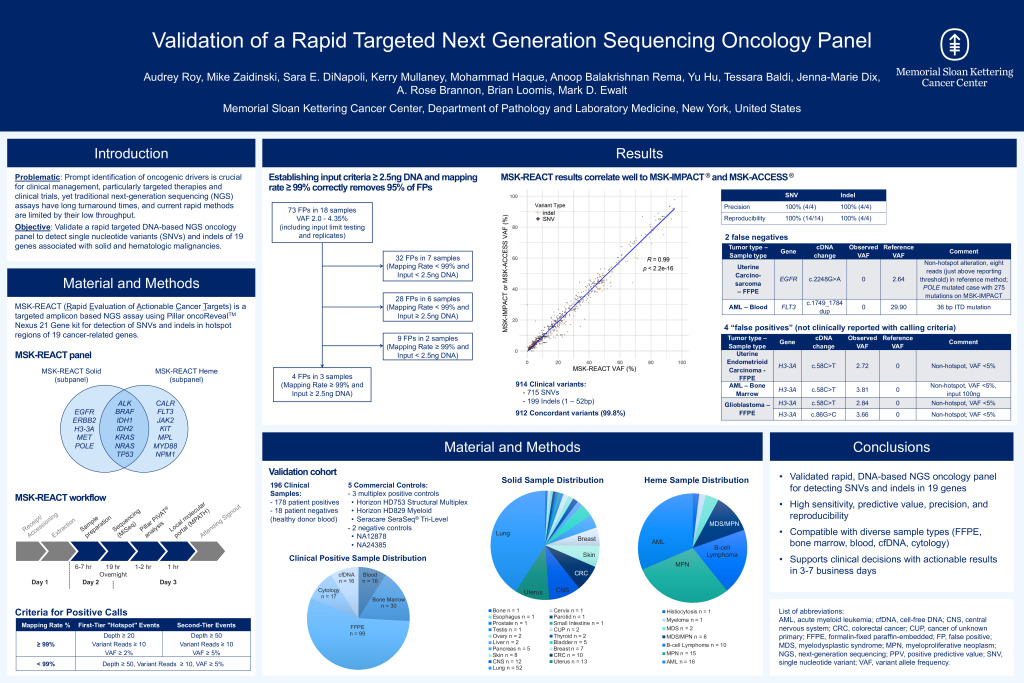
Memorial Sloan Kettering built MSK-REACT (Rapid Evaluation of Actionable Cancer Targets) on Pillar's oncoReveal® Nexus 21 Gene kit, an amplicon NGS assay covering hotspot regions of 19 genes across solid and hematologic malignancies. Validation used 196 clinical samples — FFPE, bone marrow, blood, cytology, and cell-free DNA — plus five commercial controls, benchmarked against MSK-IMPACT® and MSK-ACCESS®. Of 914 clinical variants, 912 were concordant (99.8%), precision and reproducibility were both 100%, and actionable results are delivered in 3–7 business days.
Tags: 2024, Solid Tumor
Poster
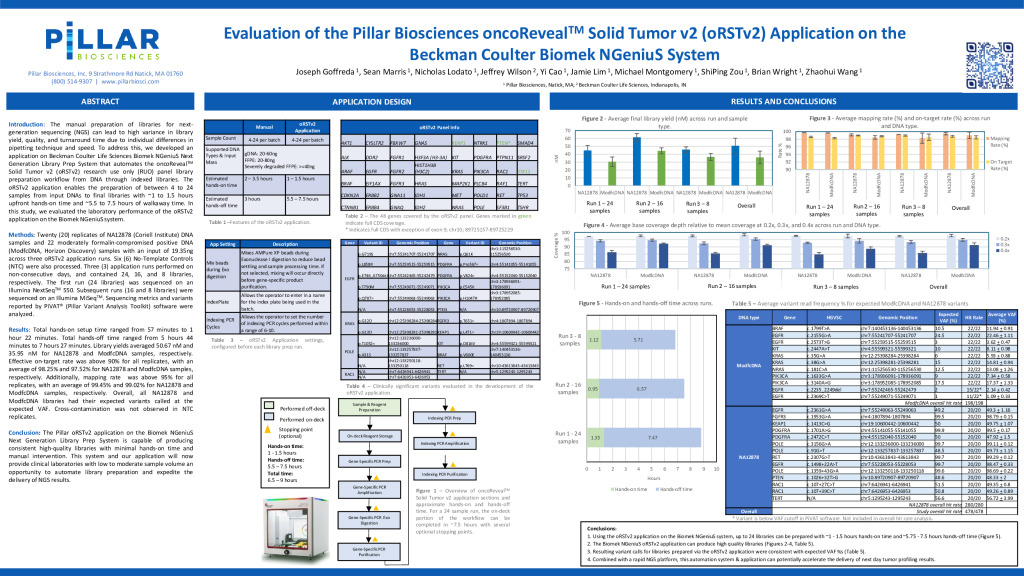
Pillar built and evaluated an automated application for its 48-gene oncoReveal® Solid Tumor v2 (oRSTv2) research-use panel on the Beckman Coulter Biomek NGeniuS library preparation system, taking DNA through to indexed libraries with minimal intervention. Twenty NA12878 replicates and 22 moderately formalin-compromised DNA samples at 19.35 ng input were processed across three runs of 24, 16, and 8 libraries, sequenced on Illumina NextSeq 550 and MiSeq with PiVAT® analysis. Every expected variant was called at its expected allele frequency — 478 of 478 across the study — with no cross-contamination in no-template controls.
Tags: 2024, Solid Tumor
Poster
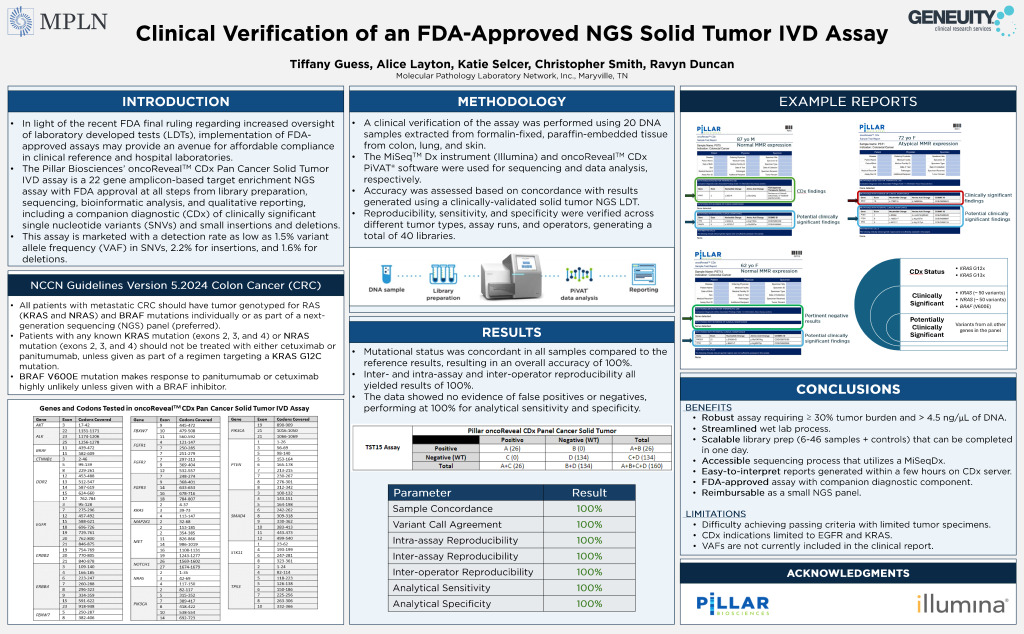
Tags: 2024, IVD, Solid Tumor
Poster
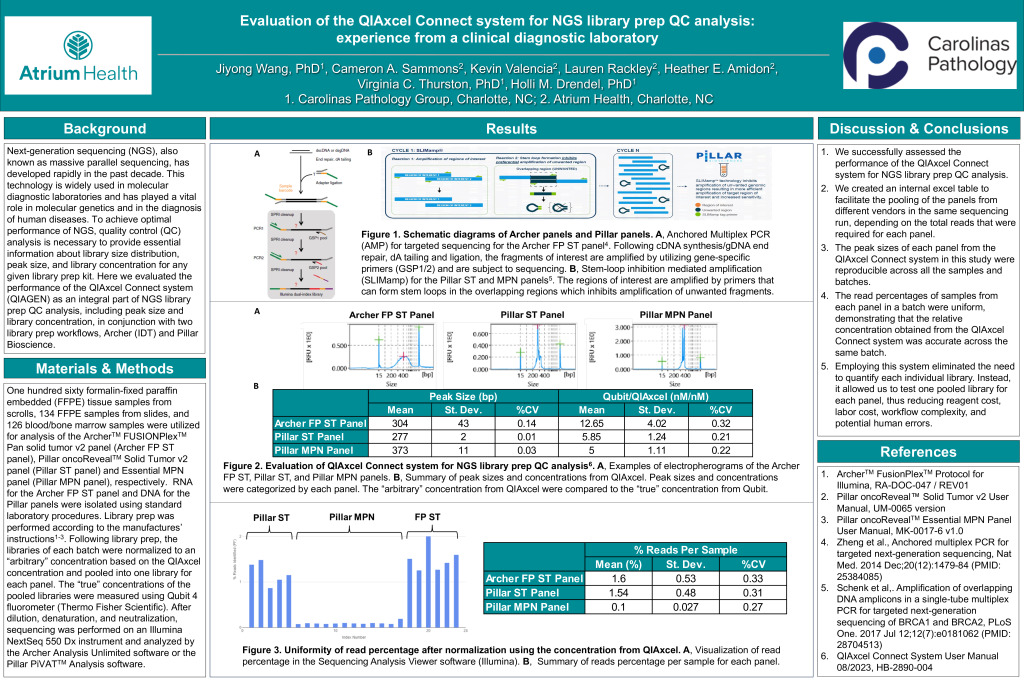
Carolinas Pathology Group and Atrium Health evaluated the QIAGEN QIAxcel Connect system for library quantification and quality control across three NGS workflows: Archer's FUSIONPlex Pan Solid Tumor v2, Pillar's oncoReveal® Solid Tumor v2, and Pillar's oncoReveal® Essential MPN panel. Libraries from 160 FFPE scrolls, 134 FFPE slides, and 126 blood or bone marrow specimens were normalized on QIAxcel concentrations, pooled per panel, and sequenced on the Illumina NextSeq 550 Dx. Pillar panels showed the tightest peak-size reproducibility, and the approach removed the need to quantify every individual library.
Tags: 2024, Heme, Solid Tumor
Poster
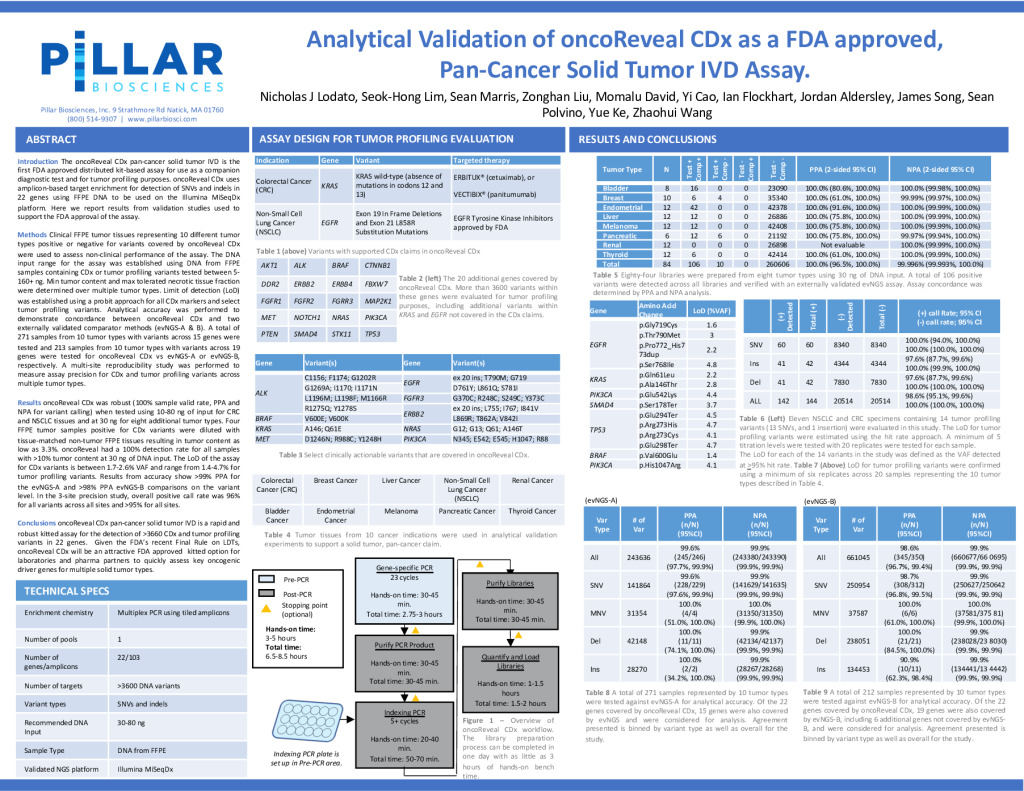
oncoReveal® CDx is the first FDA-approved distributed, kit-based NGS assay for both companion diagnostic use and pan-cancer tumor profiling, covering more than 3,600 SNV and indel targets across 22 genes from FFPE DNA on the Illumina MiSeqDx. Validation spanned 10 tumor types and addressed DNA input range, minimum tumor content, necrosis tolerance, limit of detection by probit analysis, accuracy against two externally validated NGS comparators, and a three-site reproducibility study. The assay achieved 100% positive and 99.996% negative percent agreement at 30 ng input, with valid results down to 3.3% tumor content.
Tags: 2024, IVD
Poster
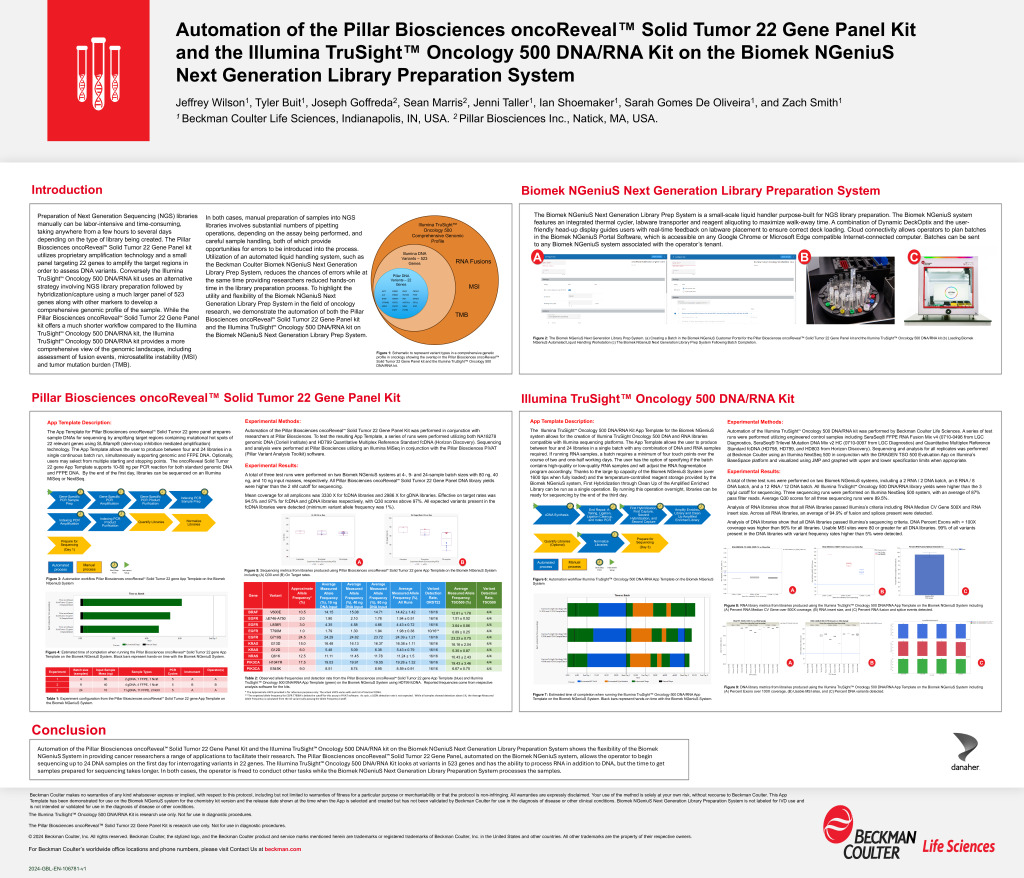
Beckman Coulter Life Sciences automated both Pillar's oncoReveal® Solid Tumor 22 Gene Panel and Illumina's TruSight Oncology 500 DNA/RNA kit on the Biomek NGeniuS library preparation system to reduce manual pipetting and hands-on time. Three test runs per assay used engineered controls including Horizon Discovery fcDNA and SeraSeq® reference standards, sequenced on Illumina MiSeq and NextSeq 500 and analyzed with PiVAT® and DRAGEN. The Pillar panel reached sequencing by the end of day one at batch sizes from 4 to 24 samples, while the 523-gene TSO500 workflow ran into day three.
Tags: 2024, Solid Tumor
Poster
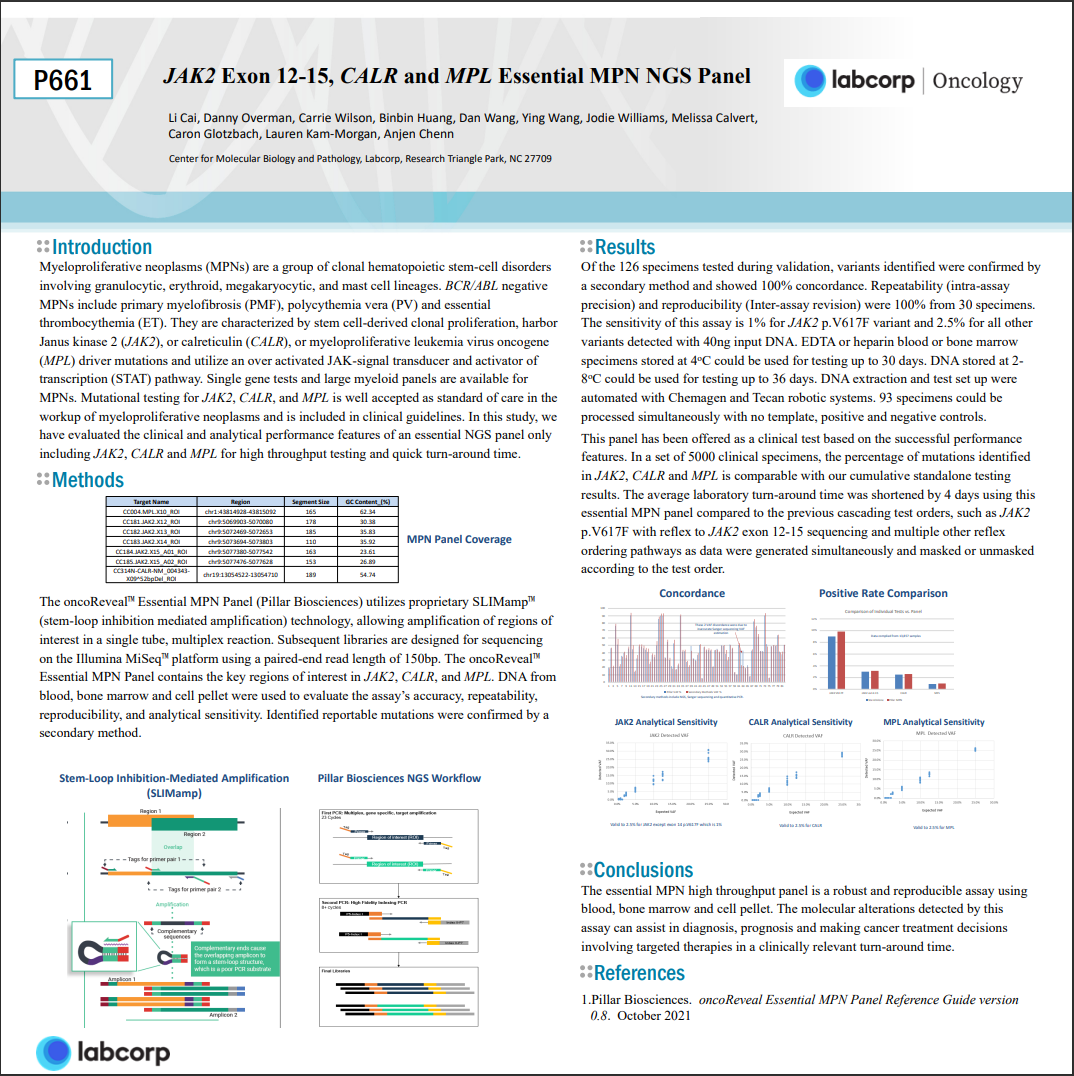
Labcorp's Center for Molecular Biology and Pathology validated Pillar's oncoReveal® Essential MPN Panel — a single-tube SLIMamp® assay covering JAK2 exons 12–15, CALR, and MPL — as a high-throughput clinical test for BCR/ABL-negative myeloproliferative neoplasms including polycythemia vera, essential thrombocythemia, and primary myelofibrosis. Across 126 blood, bone marrow, and cell pellet specimens every reportable mutation was confirmed by a secondary method, giving 100% concordance, with 100% repeatability and reproducibility over 30 specimens. The panel is now offered clinically, and average laboratory turnaround shortened by four days versus cascading reflex orders.
Tags: 2024, Heme
Presentation
Event Name: AMP 2023
TBC
TBC
Tags: 2023, Liquid Biopsy
Event Name: AMP 2023
TBC
TBC
Tags: 2023, Methylation
Webinar
Publishing Entity: GenomeWeb | Precision Medicine Online
Tags: 2023, BRCA, HRD
Pillar built and evaluated an automated application for its 48-gene oncoReveal® Solid Tumor v2 (oRSTv2) research-use panel on the Beckman Coulter Biomek NGeniuS library preparation system, taking DNA through to indexed libraries with minimal intervention. Twenty NA12878 replicates and 22 moderately formalin-compromised DNA samples at 19.35 ng input were processed across three runs of 24, 16, and 8 libraries, sequenced on Illumina NextSeq 550 and MiSeq with PiVAT® analysis. Every expected variant was called at its expected allele frequency — 478 of 478 across the study — with no cross-contamination in no-template controls.
Tags: 2023, Solid Tumor
Poster
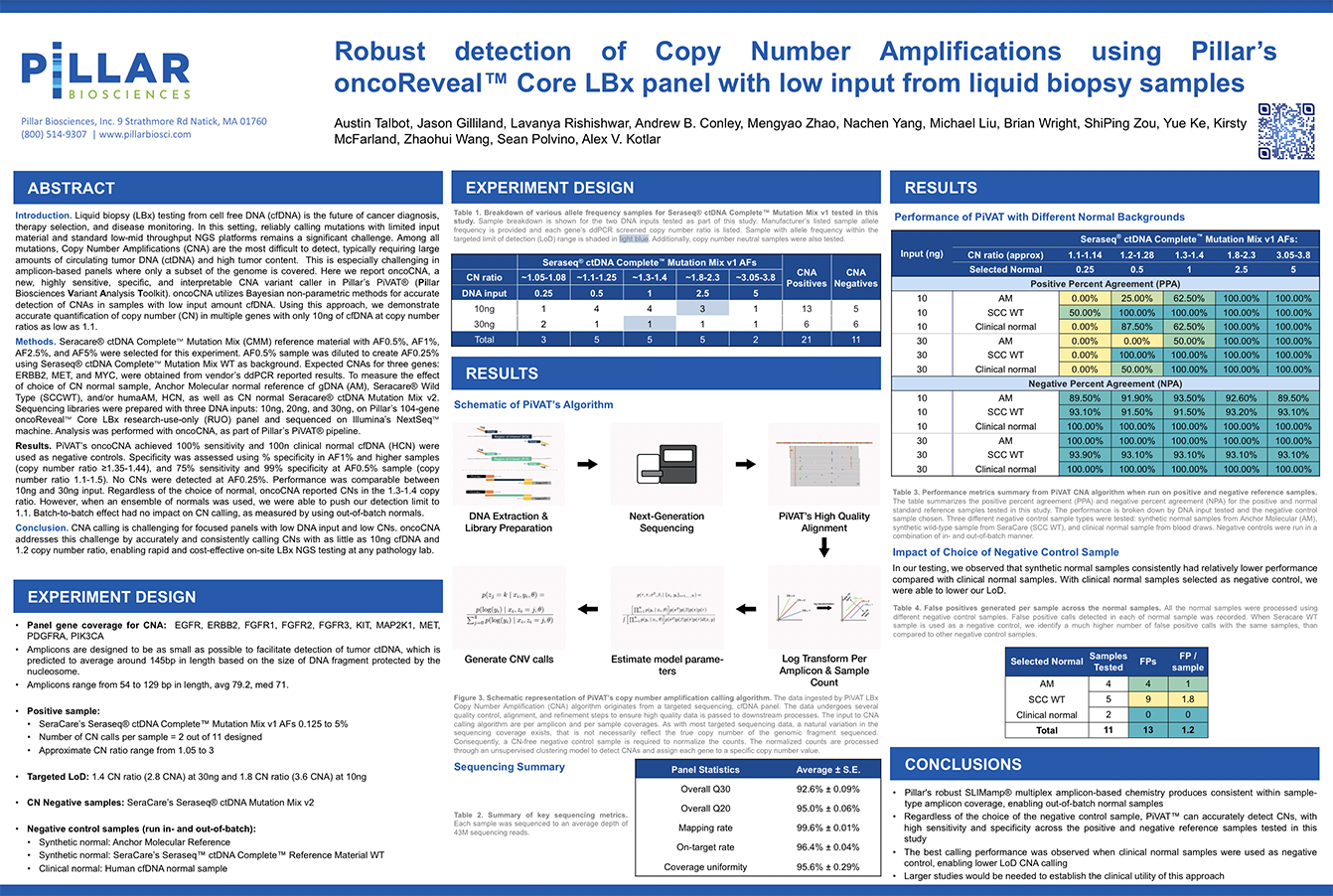
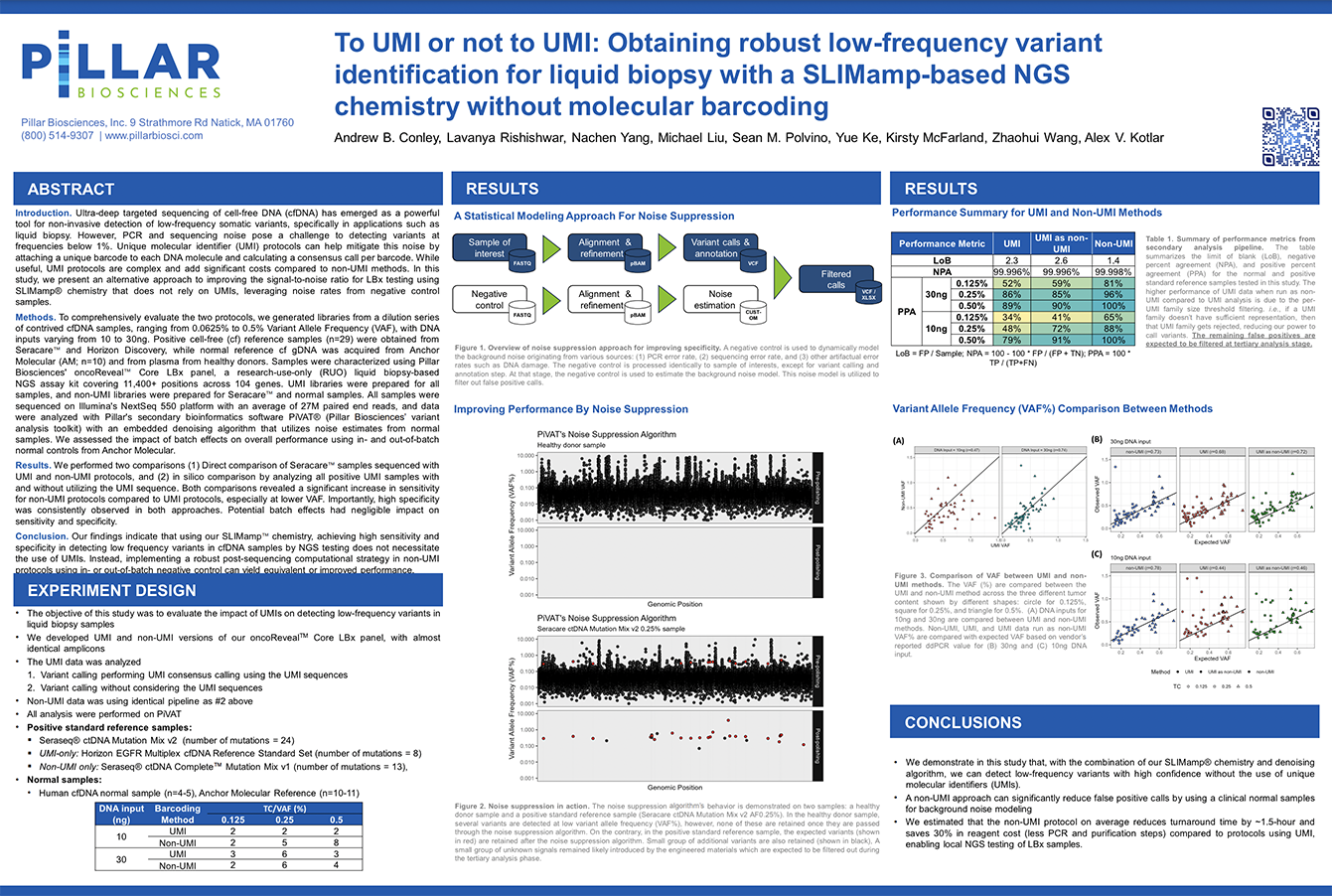
Copy number amplifications are the hardest alteration class to call from cell-free DNA, usually demanding high circulating tumor DNA and broad genomic coverage. Pillar built oncoCNA, a Bayesian non-parametric caller inside PiVAT®, and tested it on Seraseq® ctDNA reference material across allele frequencies from 0.25% to 5% at 10, 20 and 30 ng input on the 104-gene oncoReveal® Core LBx panel. Performance was comparable at 10 ng and 30 ng, and the choice of negative control mattered more than input amount — clinical normal samples gave 100% negative percent agreement where synthetic normals did not.
Tags: 2023, Liquid Biopsy, PiVAT
Poster
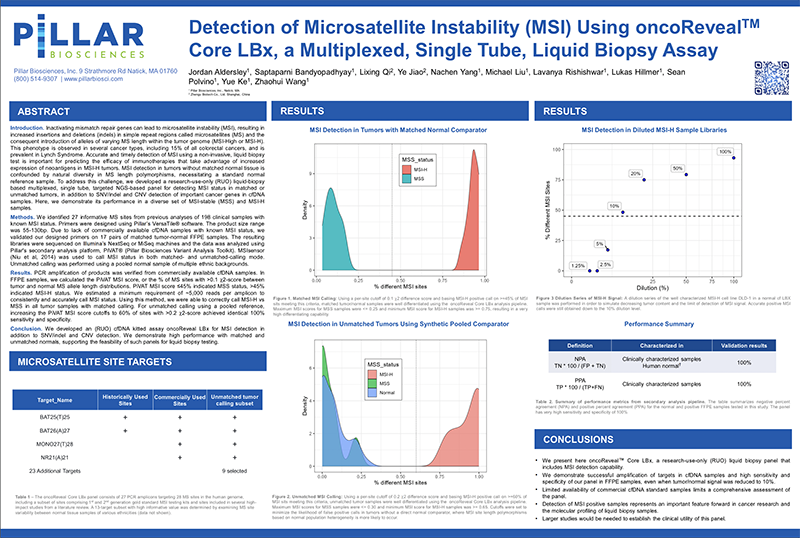
Pillar added microsatellite instability (MSI) detection to the research-use oncoReveal® Core LBx liquid biopsy panel alongside SNV, indel and copy number calling, supporting immunotherapy selection — MSI-high tumors respond to checkpoint inhibitors, and the phenotype appears in roughly 15% of colorectal cancers and across Lynch syndrome. Twenty-seven amplicons covering 28 microsatellite sites were validated on 17 matched tumor-normal FFPE pairs, sequenced on Illumina NextSeq or MiSeq and scored in PiVAT® using MSIsensor. Sensitivity and specificity were 100% in both matched and unmatched calling modes, with correct calls holding down to 10% tumor dilution.
Tags: 2023, Liquid Biopsy
Poster
Copy number amplifications are the hardest alteration class to call from cell-free DNA, usually demanding high circulating tumor DNA and broad genomic coverage. Pillar built oncoCNA, a Bayesian non-parametric caller inside PiVAT®, and tested it on Seraseq® ctDNA reference material across allele frequencies from 0.25% to 5% at 10, 20 and 30 ng input on the 104-gene oncoReveal® Core LBx panel. Performance was comparable at 10 ng and 30 ng, and the choice of negative control mattered more than input amount — clinical normal samples gave 100% negative percent agreement where synthetic normals did not.
Tags: 2023, Liquid Biopsy, PiVAT
Poster
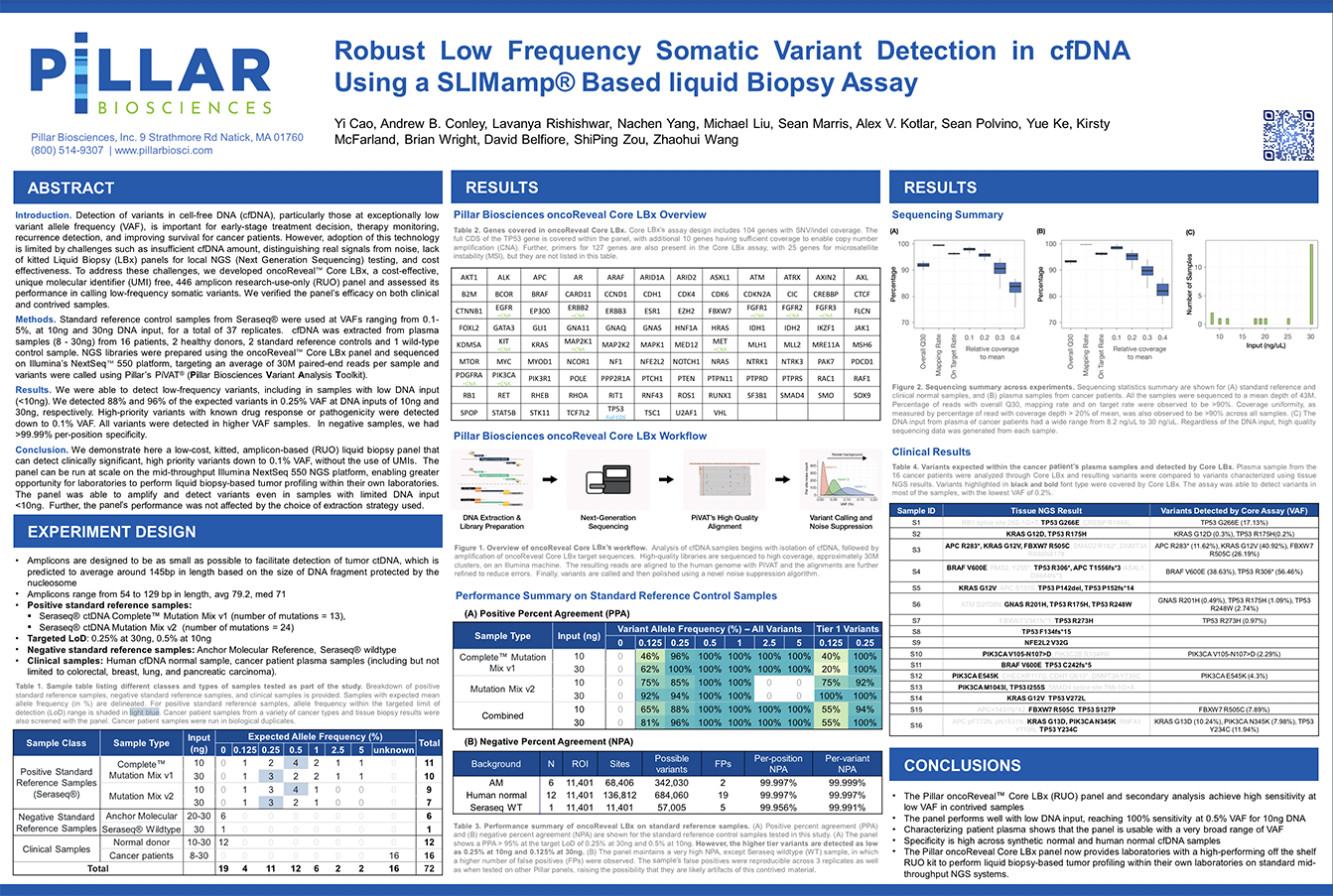
Pillar assessed the oncoReveal® Core LBx panel — a UMI-free, 446-amplicon, 104-gene research-use liquid biopsy kit — for detecting low-frequency somatic variants in cell-free DNA. Seraseq® reference controls from 0.1% to 5% variant allele frequency at 10 and 30 ng input were run across 37 replicates alongside plasma from 16 cancer patients, two healthy donors and wild-type controls, sequenced on the Illumina NextSeq 550 with PiVAT® analysis. The panel detected 88% of expected variants at 0.25% VAF with 10 ng input and 96% with 30 ng, found high-priority variants down to 0.1%, and held per-position specificity above 99.99%.
Tags: 2023, Liquid Biopsy
Poster
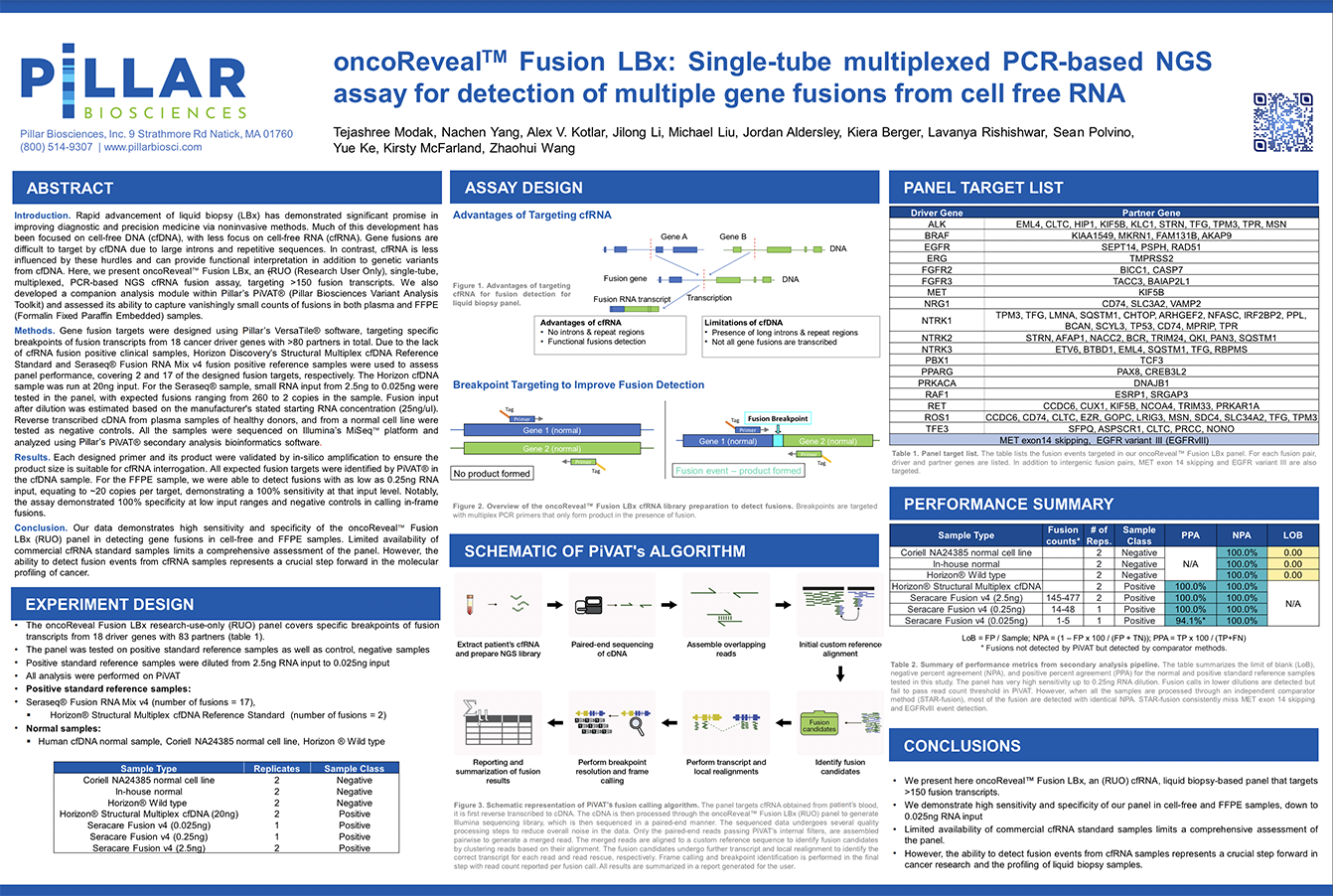
Pillar developed oncoReveal® Fusion LBx, a research-use single-tube multiplexed PCR NGS assay detecting more than 150 fusion transcripts from cell-free RNA (cfRNA) — an analyte that avoids the long introns and repeat regions making fusions hard to catch in cell-free DNA. The panel targets breakpoints across 18 driver genes with 83 partners plus MET exon 14 skipping and EGFR variant III, and was assessed on Horizon and Seraseq® reference standards from 2.5 ng down to 0.025 ng RNA input on the Illumina MiSeq. Sensitivity and specificity were both 100% down to 0.25 ng input, equating to roughly 20 copies per target.
Tags: 2023, Liquid Biopsy
Poster
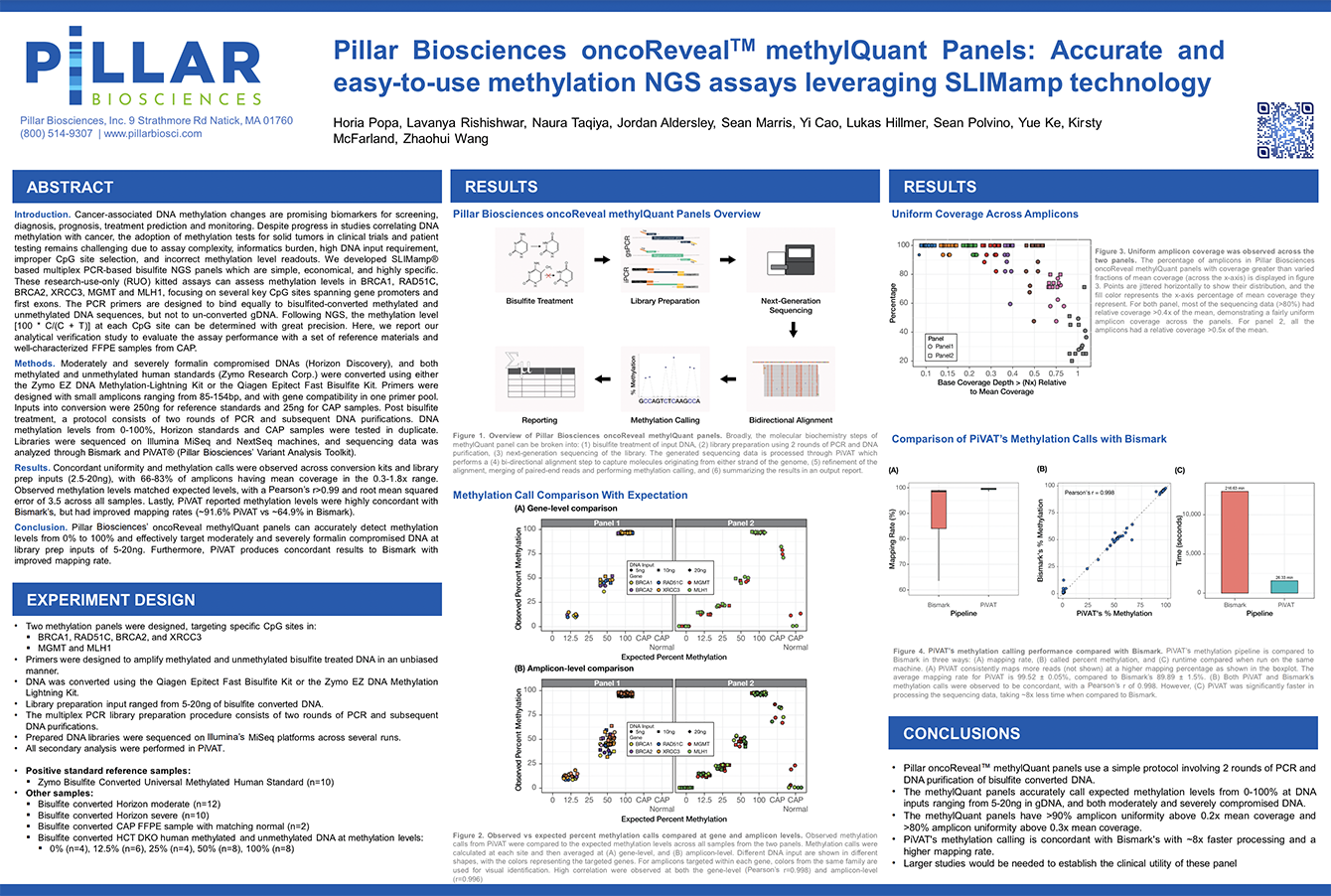
Pillar developed two research-use bisulfite NGS methylation panels on SLIMamp® chemistry — one covering BRCA1, RAD51C, BRCA2 and XRCC3, the other MGMT and MLH1 — aimed at the high DNA input, informatics burden and readout accuracy problems that have slowed methylation testing in solid tumors. Primers bind bisulfite-converted methylated and unmethylated DNA equally but not unconverted genomic DNA, and the protocol is two rounds of PCR with purification. Across Zymo standards, moderately and severely formalin-compromised Horizon DNA and CAP FFPE samples, observed methylation matched expected levels with Pearson's r above 0.99 at 5–20 ng input.
Tags: Methylation
Poster
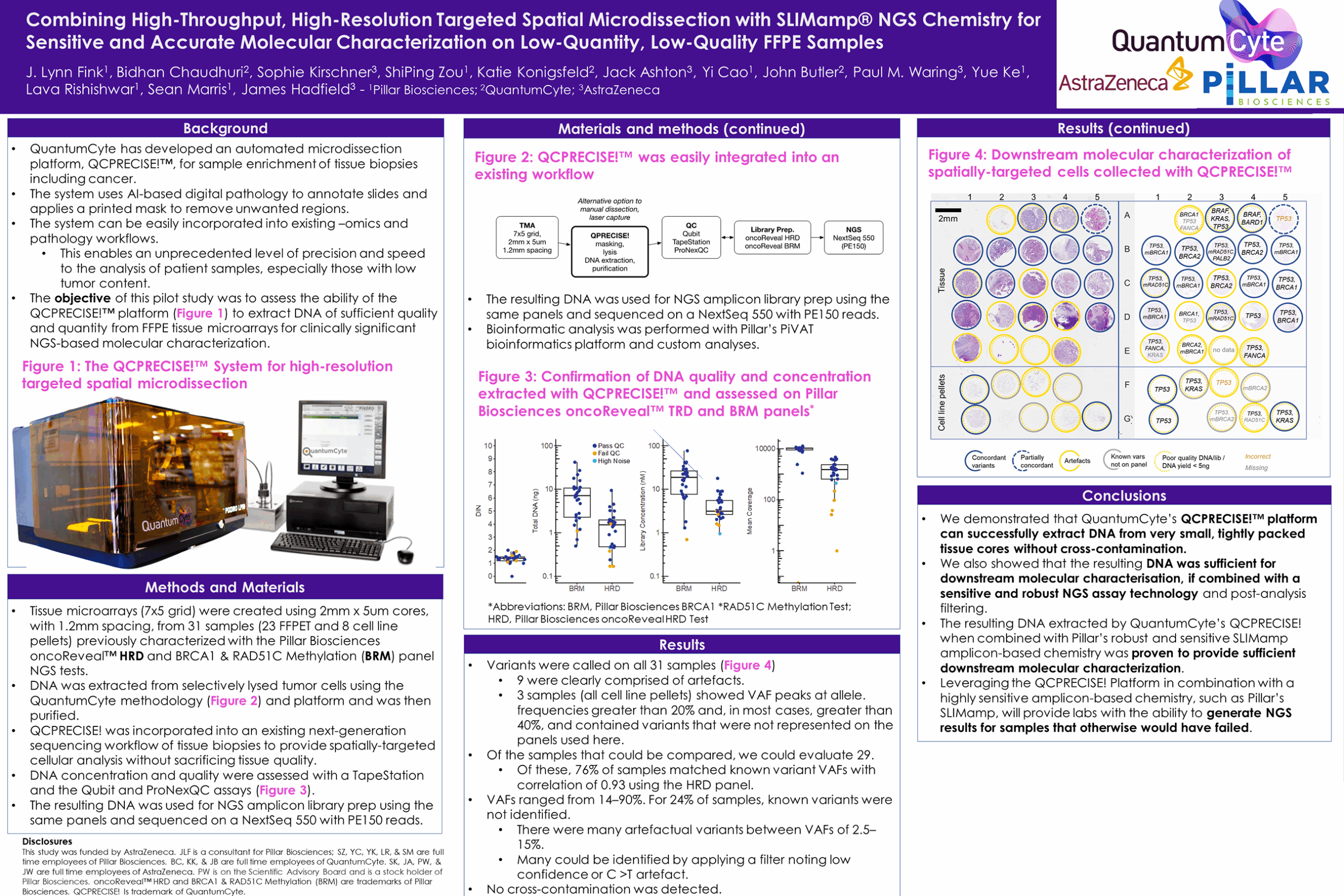
Pillar, QuantumCyte and AstraZeneca tested whether AI-guided spatial microdissection can rescue FFPE samples that would otherwise fail NGS. QuantumCyte's QCPRECISE!™ platform uses digital pathology to annotate slides and a printed mask to remove unwanted regions, extracting DNA from selectively lysed tumor cells in 2 mm tissue microarray cores taken from 31 samples previously characterized on Pillar's oncoReveal® HRD and BRCA1 & RAD51C methylation panels. Libraries were sequenced on the NextSeq 550 and analyzed in PiVAT®. Variants were called on all 31 samples with no cross-contamination, and 76% of evaluable samples matched known variant allele frequencies at 0.93 correlation.
Tags: 2023, HRD, Methylation
Poster
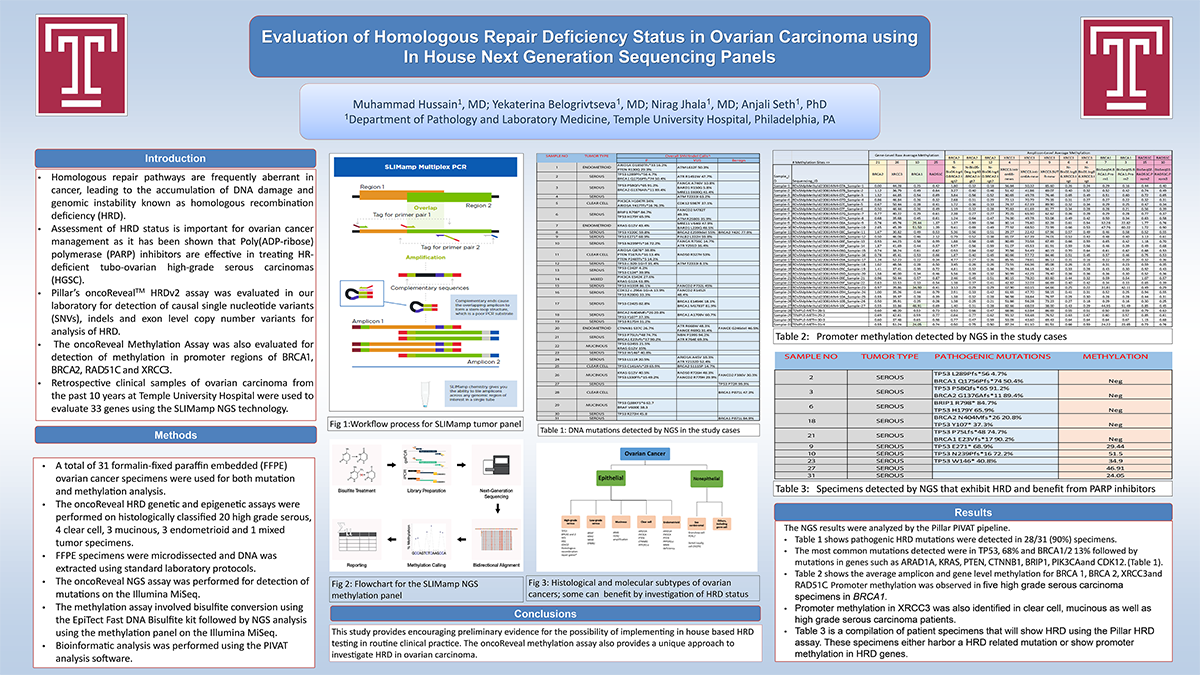
Temple University Hospital evaluated Pillar's oncoReveal® HRDv2 assay together with the oncoReveal® methylation assay for assessing homologous recombination deficiency (HRD) in ovarian carcinoma, the marker predicting PARP inhibitor benefit in tubo-ovarian high-grade serous carcinoma. Thirty-one retrospective FFPE ovarian specimens — 20 high-grade serous, 4 clear cell, 3 mucinous, 3 endometrioid and 1 mixed — were microdissected and run for SNVs, indels and exon-level copy number variants across 33 genes on the Illumina MiSeq, plus BRCA1, BRCA2, RAD51C and XRCC3 promoter methylation, with PiVAT® analysis. Pathogenic HRD mutations appeared in 28 of 31 specimens (90%), and methylation identified further HRD-positive cases.
Tags: 2023, HRD, Methylation
Publication Source: The Journal of Molecular Diagnostics
TBC
TBC
Tags: 2023, Solid Tumor
Publication Source: American Society of Clinical Oncology
TBC
TBC
Tags: 2022, BRCA, HRD, Methylation
Publication Source: Journal of Clinical Pathology
TBC
TBC
Tags: 2022, Solid Tumor
Publication

Publication Source: Drug Discovery & Development
TBC
TBC
Tags: 2022, NGS / General
Publication Source: Gastroenterology
TBC
TBC
Tags: Heme